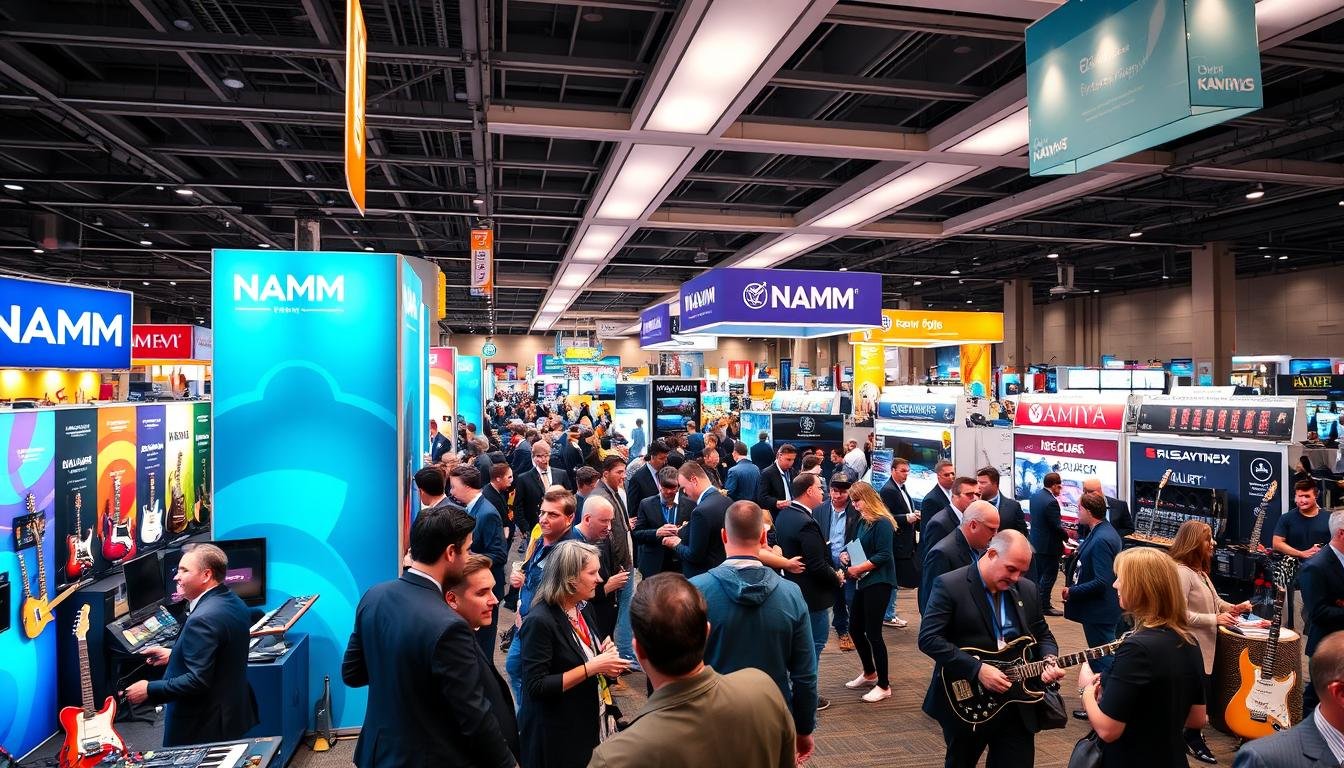

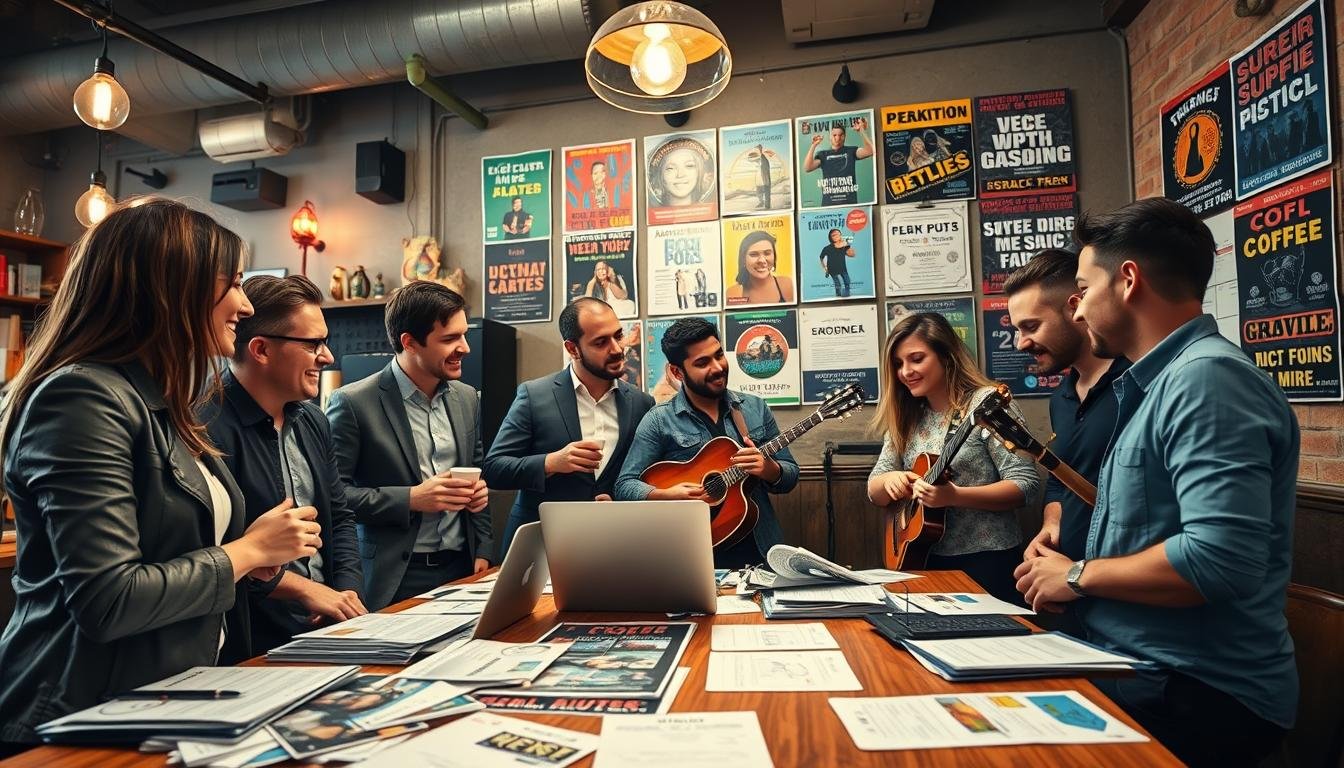
Booking gigs as an independent musician can be tough, but it’s worth it. Having a strong online presence is key in today’s world.
Showcasing your talent on social media and online platforms helps a lot. It lets you connect with fans and get noticed by venues and promoters. It’s also important to research venues and network with other musicians to find performance opportunities.
Key Takeaways
- Develop a strong online presence to attract potential fans and bookers.
- Network with other musicians to learn about new opportunities.
- Research potential venues that fit your music style.
- Promote your shows effectively using social media.
- Create engaging content to attract and retain fans.
Understanding the Live Music Landscape
To book live shows, independent musicians need to understand the live music world. They must know about different venues, the current state of the industry, and available gig opportunities.
Types of Venues for Independent Musicians
Independent musicians can play at many venues. Each has its own vibe and audience. Here are some examples:
- Clubs and bars
- Festivals
- House concerts
- Coffee shops and restaurants
- Outdoor amphitheaters
Clubs and bars are classic spots for live music. They have a dedicated area for shows. Festivals, by contrast, let musicians reach more people. They often have many acts over a few days.
The Current State of Live Music in the US
Understanding how to book gigs is essential for independent musicians looking to establish themselves in the industry.
The live music scene in the US is big and helps the economy a lot. Millions go to concerts and festivals every year. The industry is bouncing back after the pandemic, with new trends in venues and promoting artists.
| Year | Number of Live Music Events | Attendance (millions) |
|---|---|---|
| 2022 | 10,000+ | 50 |
| 2023 | 12,000+ | 60 |
Different Gig Opportunities: Clubs, Festivals, House Concerts
Musicians have many gig options based on their music, audience, and goals. Clubs offer regular shows with a loyal crowd. Festivals let artists reach a wide and varied audience. House concerts are less common but offer a cozy setting and can be profitable for some.
Knowing these options helps musicians plan their booking strategies. This way, they can better fit their needs and succeed in the competitive live music world.
Building Your EPK (Electronic Press Kit)
Creating a detailed EPK is vital for showcasing your talent to potential bookers. As an independent musician, your EPK acts as a digital resume. It showcases your music, background, and past performances. This kit is key for securing gigs independently and finding performance opportunities.
Essential Components of an Effective EPK
An effective EPK must include several key elements to impress venue owners and promoters. These are:
- A compelling biography that tells your story and highlights your unique sound.
- High-quality music samples, including your best tracks.
- Press photos that capture your image and style.
- Any notable press coverage or reviews.
- Your social media handles to showcase your online presence.
- Upcoming shows or recent performances.
By including these elements, you can create a robust EPK. It showcases your talent and helps you stand out in a competitive industry.

Digital Platforms for Hosting Your EPK
In today’s digital age, hosting your EPK online is essential. There are several platforms where you can host your EPK, making it easily accessible. Some popular options include:
- Your own website, where you can dedicate a section to your EPK.
- Platforms like Bandcamp or SoundCloud for hosting your music.
- Specialized EPK hosting sites that cater to musicians.
Having your EPK online makes it easier to share. It also allows you to update it regularly with fresh content.
Tailoring Your EPK for Different Venues
When it comes to gig booking strategies, understanding different venues’ needs is crucial. Tailoring your EPK to suit the specific venue or promoter you’re targeting can significantly increase your chances of getting booked. This might involve:
- Highlighting music or experiences that are relevant to the venue’s typical audience.
- Emphasizing your previous performances at similar venues.
- Adjusting your EPK’s tone or style to match the venue’s brand or atmosphere.
By customizing your approach, you demonstrate your professionalism and attention to detail. This makes you a more attractive candidate for booking.
Developing a Strong Stage Presence and Live Set
Creating a captivating stage presence is key for independent musicians. It helps grow your fanbase and get more gigs. A memorable live show can make people remember you and want to see you again.
Crafting a Memorable Performance
To make a lasting impression, engage with your audience and create an energetic vibe. Be true to yourself, make eye contact, and talk to the crowd. Adding stories to your show can deepen the connection with your fans.
It’s important to rehearse your live set. Practice your stage moves, song transitions, and music to feel confident and reduce mistakes. This will make your performance smooth and polished.
Determining Your Ideal Set Length and Structure
Finding the right set length and structure is crucial. A 45-minute to 1-hour set is common, but it can change based on the venue and audience.
Organize your set with a clear start, middle, and end. Start with strong songs to grab attention. Then, mix up the pace with slower and faster songs. Save your best song for the encore, if you have one.
Recording High-Quality Live Demo Videos
Recording live demo videos is a smart way to show off your skills. Use good camera and sound equipment to make your videos professional.
Record your live shows or plan a special performance for demo videos. Edit the footage to make a compelling story that showcases your talent and stage presence.
By focusing on these areas, you can enhance your live shows. This will help you book more gigs and grow your fanbase.
Researching Appropriate Venues for Your Music
Finding the right venues is crucial for solo artists. It helps in securing gigs and growing a fanbase. Knowing which venues fit your music style can boost your success.

Matching Your Genre to the Right Venues
Different music genres do well in specific places. Jazz fits well in small clubs, while rock bands need bigger halls or festivals. Knowing your genre’s typical venues helps narrow your search.
Identify your music’s characteristics and audience. Think about the size of your crowd, the vibe of your shows, and your music’s style. This helps find the right venues.
Using Online Resources to Find Venue Information
The internet is full of info on venues. Sites like Songkick, Bandsintown, and VenueScanner let you search by location and genre. Social media also helps by showing what venues book.
Online forums and musician communities offer great tips. You can get venue recommendations from other artists who’ve played there.
Creating a Target Venue List
After researching, make a list of venues that match your music. Include the venue’s name, location, size, and how to contact them.
Choose venues that have hosted similar acts and support indie artists. This focus increases your chances of getting gigs.
By researching and creating a venue list, you’re on your way to more gigs and a successful music career.
How to Book Gigs as an Independent Musician: Direct Approach Methods
Independent musicians need direct approach methods to book gigs and grow their careers. Being proactive and personal can help land gigs that fit their style and goals.
Crafting an Effective Booking Email
A good booking email is key to impressing venue owners or booking agents. It should be short, professional, and include all important musician or band info.
- Introduce yourself and your music
- Include a link to your EPK or website
- Specify the type of venues you’re interested in
- Provide your availability and preferred dates
A clear and compelling subject line can boost your email’s open rates. For example, “Booking Inquiry: [Your Band Name] Live Performance.”
Making In-Person Connections with Venue Owners
Emails are handy, but in-person meetings with venue owners are even better. Go to local music events, introduce yourself, and bring business cards or promotional materials.
Benefits of In-Person Connections:
| Benefit | Description |
|---|---|
| Personal Interaction | Builds rapport and trust with venue owners |
| Immediate Feedback | Allows for real-time discussion and feedback |
| Networking Opportunities | Opens doors for future collaborations and gigs |
Following Up Without Being Pushy
It’s important to follow up after initial contact, but don’t be too pushy. A polite and professional follow-up email or phone call can keep you in the venue owner’s mind.
Example Follow-Up Email: “Hi [Venue Owner’s Name], I wanted to follow up on my email from [Date] regarding booking [Your Band Name] at your venue. I’m still very interested in the opportunity and would be happy to discuss further.”
Using Booking Platforms and Submission Tools
Booking platforms and submission tools can also help. Sites like Sonicbids, ReverbNation, and GigSalad can connect you with more potential bookers.
By using these direct methods, independent musicians can improve their chances of booking gigs and build a lasting music career.
Working with Booking Agents and Promoters
Many independent musicians find new performance opportunities by working with booking agents and promoters. This collaboration can help grow their fanbase. It’s important to know how to work well with these professionals to find more gigs.
When to Consider Hiring a Booking Agent
Deciding to hire a booking agent depends on your success, goals, and industry connections. A booking agent is great for expanding your reach or handling live show logistics.
Consider hiring one when you have a solid body of work and a growing fanbase. At this point, a booking agent can help secure better gigs and grow your career.
Building Relationships with Local Promoters
Building strong ties with local promoters is key for regular gigs. They know the local music scene well and can tell you what’s in demand.
To build these relationships, attend local events, network, and use social media. Showing professionalism can help you get considered for future gigs.
Understanding Booking Fees and Commissions
It’s crucial to know the fees and commissions when working with a booking agent. They usually take a commission on your earnings, ranging from 10% to 20%.
| Commission Rate | Description |
|---|---|
| 10% | Standard rate for established agents with a strong network. |
| 15% | Common rate for agents handling a mix of local and touring acts. |
| 20% | Higher rate often associated with specialized or hard-to-book acts. |
Joining Booking Collectives and Musician Networks
Joining booking collectives and musician networks can open up more opportunities. These groups share knowledge and contacts, making it easier to book gigs.
Being part of these networks connects you with peers and industry pros. They can offer support, advice, and new gig chances.
Leveraging Social Media for Gig Opportunities
In today’s world, social media is key for musicians looking to book gigs. It helps musicians get seen, connect with fans, and grab the attention of venue owners. This is crucial for getting gigs.
Building an Engaged Online Following
To use social media for gigs, you need a strong online presence. Create profiles on Instagram, Facebook, and Twitter. Post content that your audience loves. Consistency is key to keep followers engaged.
Use hashtags and tag influencers or venues to reach more people. For example, local hashtags can help you find gigs in your area. Engagement is a two-way street; reply to comments and messages quickly to build a good reputation.
Using Social Platforms to Connect with Venues
Social media lets you talk directly to venue owners and bookers. Follow and interact with them online to stay in their minds. Personalizing your interactions can help you connect.
Many venues and promoters use social media to share events or look for acts. Being part of these communities can help you find gigs before they’re announced.
Showcasing Your Live Performance Skills Online
Today, showing your live skills online is key for gigs. Use YouTube, Instagram Reels, and Facebook Live to share your performances. Investing in good camera equipment and editing software can make your videos stand out.
Sharing live videos shows your talent and gives venues a taste of what you offer. This is great for venues that value live performances.
Creating Content That Attracts Booking Opportunities
Make content that speaks to your audience and shows your unique talent. This could be blog posts, behind-the-scenes videos, or live streams. Diversity in content keeps your audience interested and attracts new followers.
Also, content that shows your professionalism, like testimonials or technical details, makes you more appealing to bookers.
Handling the Business Side of Gigging
Managing the business side of gigging is crucial for securing gigs independently. It helps you find consistent performance opportunities. As an independent musician, knowing the business aspects is key to a successful career.
Understanding Performance Contracts
A performance contract is a legal agreement between you and the venue or event organizer. It’s important to understand the terms, including payment, cancellation policies, and technical needs. Always read the contract carefully and ask questions if unsure.
Some key elements to look for in a performance contract include:
- Payment terms, including the amount and method of payment
- Cancellation policies and any associated fees
- Technical requirements, such as sound and lighting needs
- Promotion and advertising responsibilities
Managing Logistics and Technical Requirements
Managing logistics and technical needs is vital for a smooth performance. This includes arranging for transportation, accommodations, and equipment. It’s also important to communicate with the venue about their technical needs and your specific needs.
Consider creating a checklist to help you stay organized:
- Confirm travel arrangements and accommodations
- Check equipment needs and arrange for rentals if necessary
- Communicate with the venue about technical requirements
- Plan for merchandise sales and promotion
Insurance and Legal Considerations for Performers
As a performing musician, insurance and legal protections are essential. This includes liability insurance for accidents or equipment damage. It’s also important to understand your rights and responsibilities under your performance contract.
Some legal considerations to be aware of include:
- Copyright laws and ensuring you have the necessary permissions
- Contract law and understanding your obligations under the performance contract
- Liability for accidents or injuries during the performance
Tracking Expenses and Income for Tax Purposes
As an independent musician, you’re responsible for tracking your expenses and income for tax purposes. This includes earnings from performances and expenses like equipment purchases and travel costs.
Consider using a spreadsheet or accounting software to help you stay organized:
| Category | Income | Expenses |
|---|---|---|
| Performance Fees | $1,000 | |
| Equipment Purchases | $500 | |
| Travel Costs | $200 |
By understanding and managing these business aspects, you can focus on what you do best: creating great music and delivering fantastic performances.
Negotiating Fair Compensation
Fair pay for live shows is key to a musician’s success. As the music world changes, knowing how to ask for fair pay is more important than ever.
Different Payment Structures
Independent musicians face various payment options. These include:
- Flat fees: A simple payment for the show.
- Percentage of ticket sales: Earnings tied to ticket sales.
- Door splits: Sharing revenue from ticket sales at the door.
- Guaranteed minimums with potential for more: A base pay with extra earnings possible.
Knowing these options is key to negotiating fair compensation. For example, a flat fee is predictable, but a percentage of ticket sales could be more profitable if the event is well-promoted.
Setting Your Minimum Acceptable Rate
Before negotiating, set a minimum rate you’ll accept. This rate should cover your costs, reflect your value, and consider your experience.
“You can’t negotiate effectively if you don’t know your worth.” –
Industry Expert
Researching the market and knowing what others charge helps set your rate. Consider the venue’s size and expected audience size too.
Negotiation Tactics for First-Time Bookings
Negotiating for the first time can be tough, but being ready and confident helps. Here are some tips:
- Be clear about what you need and expect.
- Show you’re excited but stay professional.
- Be open to compromise, but know your limits.
When to Play for Exposure vs. When to Demand Payment
Many musicians debate playing for exposure or demanding pay. While exposure is valuable, consider the costs and potential earnings.
| Scenario | Play for Exposure | Demand Payment |
|---|---|---|
| Early career stages | Yes, to build a local fanbase | No, unless the gig is highly lucrative |
| Established career | No, unless the exposure leads to significant future earnings | Yes, to maintain financial stability |
In conclusion, negotiating fair compensation is complex. It requires understanding the music industry, your worth, and each gig’s specifics. Being informed and prepared helps musicians get fair pay, ensuring a lasting career in the competitive music world.
Promoting Your Shows Effectively
Getting your music out there is key for independent musicians. It helps fill venues and grow a loyal fanbase. With smart strategies, you can boost your visibility, attract new fans, and make your gigs a hit.
Creating Compelling Event Marketing Materials
To get people excited about your shows, you need great marketing materials. This means eye-catching posters, engaging social media graphics, and clear press releases. Experts say a well-made promotional package can really make your show stand out.
“The visual elements of your promotion are just as important as the music itself.”
Make sure your promotional materials match your brand. Use high-quality images and clear, concise language to catch people’s attention.
Utilizing Email Lists and Social Media Promotion
Building an email list and using social media are key for promotion. Create content that makes people want to share your events. Use Facebook, Instagram, and Twitter to reach more people.
A music industry pro says, “Social media is a powerful tool for musicians to connect directly with their fans and promote their work.” By using these platforms well, you can sell more tickets and get more people to your shows.
Collaborating with Venues on Promotion
Working with venues on promotion can really boost your show’s success. Team up with the venue to promote the event through their channels. This partnership can help you reach their audience and attract new fans.
Building a Local Fanbase That Supports Your Shows
Having a local fanbase is crucial for a successful gigging career. Engage with your community by performing often, chatting with fans online, and offering special deals. As your local following grows, so will your ability to draw bigger crowds.
By using these strategies, you can promote your shows well and build a loyal fanbase. Remember, promotion is an ongoing effort that needs creativity and hard work.
Conclusion: Building a Sustainable Gigging Career
To build a lasting gigging career, musicians need a few key steps. First, they must understand the live music scene. Then, they should work on their stage presence and use social media wisely. This helps them get noticed and booked for gigs.
Booking gigs effectively means doing your homework on venues. You need a great EPK and know how to talk about your rates. This way, you can find the right places to play and get paid fairly.
Independent musicians must be proactive to find gigs. They should make connections with venue owners and use online tools to find venues. These steps help build a loyal fan base and a sustainable career.
The secret to success is being flexible, never giving up, and being professional. Musicians who excel in these areas will find more opportunities. By focusing on their goals and improving their skills, they can succeed in the competitive live music world.
FAQ
What is the first step in booking gigs as an independent musician?
First, learn about the live music scene. Look into different venues like clubs, festivals, and house concerts.
How do I create an effective Electronic Press Kit (EPK)?
A good EPK has a bio, music samples, and press photos. Host it online for easy sharing with venues and promoters.
What makes a strong stage presence and live set?
A great performance is memorable. Know your set length and structure. Record live demo videos to show your talent.
How do I research appropriate venues for my music?
Find venues that fit your music genre. Use online resources for venue info. Make a list of the best venues for you.
What is the best way to book gigs as an independent musician?
Book gigs by being direct and proactive. Write effective emails, meet venue owners, and follow up politely.
When should I consider working with a booking agent or promoter?
Work with a booking agent or promoter for help with gigs. Know their fees and build local promoter relationships.
How can I leverage social media to attract gig opportunities?
Use social media to grow your online following. Connect with venues and show your live skills. Create content that draws booking opportunities.
What are the key elements of handling the business side of gigging?
The business side includes understanding contracts, managing logistics, and considering insurance and taxes. Track your expenses and income.
How do I negotiate fair compensation for my gigs?
Negotiate fair pay by knowing payment structures and setting a minimum rate. Use negotiation tactics, like knowing when to play for exposure or demand payment.
What are some effective ways to promote my shows?
Promote shows with compelling marketing materials. Use email lists and social media. Collaborate with venues and build a local fanbase.
How can I build a sustainable gigging career?
For a sustainable career, have a strong online presence, network, research venues, and apply these strategies consistently.