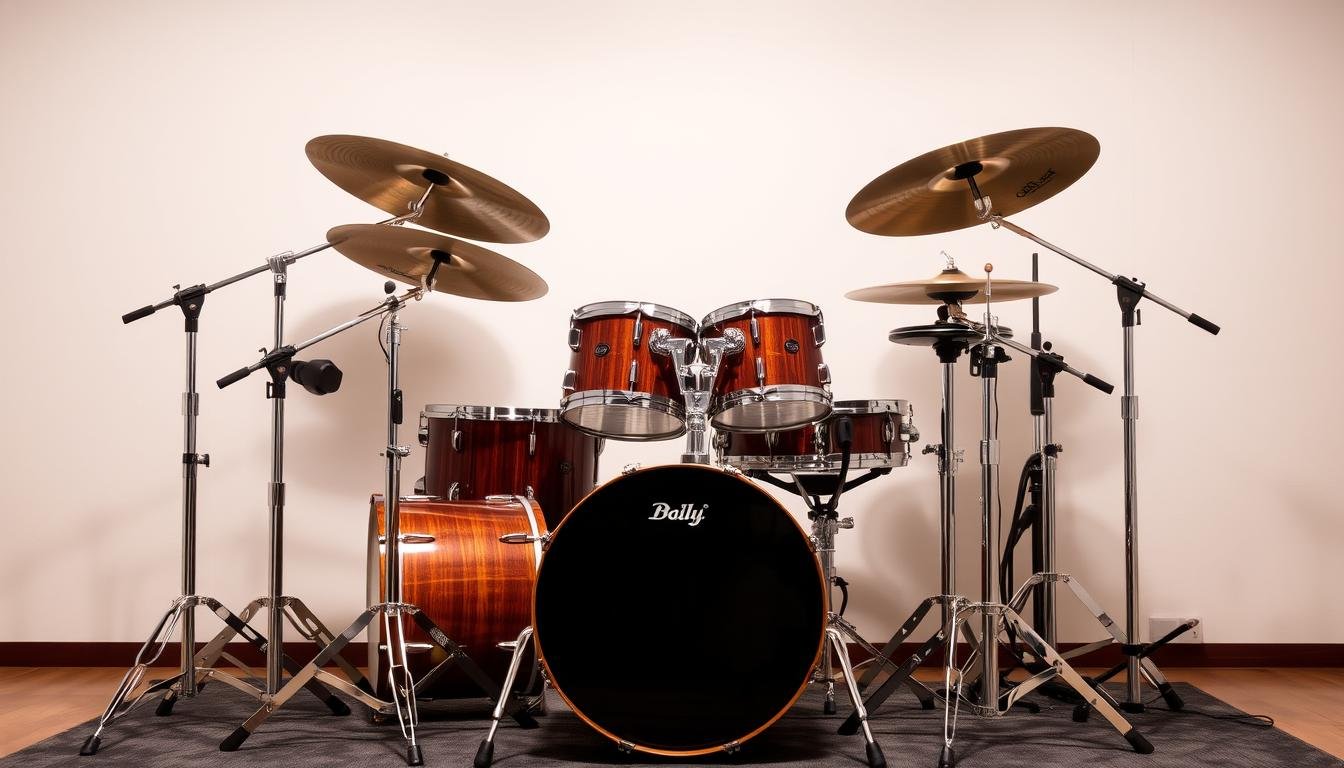


Choosing the right drum set can be tough, with so many options out there. When deciding between electronic drums and acoustic drums, several factors matter.

Sound quality, practice needs, and cost are key things to think about. Sound quality is very important. It can really change how you enjoy playing drums.
This article will give you a detailed look at electronic and acoustic drums. It aims to help you choose the best one for you.
Key Takeaways
- Understand the differences between electronic and acoustic drums
- Learn about the sound quality of each type of drum
- Discover the practice considerations for electronic and acoustic drums
- Compare the costs of electronic and acoustic drums
- Make an informed decision based on your needs
The World of Drums: Understanding Your Options
It’s important to know the difference between electronic and acoustic drums. Today, drum technology has grown a lot. This means there are many options for musicians now.
The Evolution of Drum Technology
Drum technology has changed a lot. We now have electronic drum kits that can make many sounds. A well-known drummer said, “The innovation in drum technology has opened up new possibilities for drummers.” This change is thanks to better hardware and sound technology.
Key Differences at a Glance
Electronic and acoustic drums are different in how they make sound. Acoustic drums make sound naturally. Electronic drums use electronic samples or recordings when you hit the pads.
How Your Needs Should Guide Your Choice
Think about what you need when choosing drums. If you want to practice quietly, electronic drums are good. For a real drumming feel, acoustic drums might be better. Your choice should depend on practice volume, sound variety, and portability.
Understanding the Fundamental Differences
First, let’s look at how electronic and acoustic drums make sound. This is key for drummers choosing the right kit for them.
How Acoustic Drums Produce Sound
Acoustic drums make sound when their drumheads vibrate. This vibration is then amplified by the drum’s body. The drumhead’s material, size, and tension affect the sound.
How Electronic Drums Generate Sound
Electronic drums work differently. When you hit an electronic drum pad, it sends a signal to a sound module. This module then makes the sound, which can be a real drum sound or a made-up one. The sound goes through headphones or speakers.
Basic Components of Each Kit
Acoustic drum kits have drumheads, cymbals, and stands. Electronic kits have drum pads, a sound module, and headphones or speakers.
| Component | Acoustic Drums | Electronic Drums |
|---|---|---|
| Sound Production | Vibration of drumheads | Electronic triggering |
| Key Components | Drumheads, cymbals, hardware | Drum pads, sound module, headphones |
| Sound Variety | Limited by physical properties | Highly versatile with samples and synthesis |
Knowing these differences helps you choose the right drum kit. It depends on your drumming style and what sound you prefer.
Sound Quality and Characteristics
Drums produce sound, and this sound is key for musicians. Acoustic and electronic drums offer different sounds. Knowing these differences helps drummers choose the right kit.
The Natural Resonance of Acoustic Drums
Acoustic drums are known for their natural sound and how they respond to playing. The sound comes from the drumheads vibrating. These are usually made of Mylar or animal skin.
This vibration creates a warm, rich sound. Many drummers love this sound for its real feel and expressiveness.
Key characteristics of acoustic drum sound include:
- Warm, rich tones
- Dynamic response to playing intensity
- Natural resonance that enhances the overall sound
Sound Variety in Electronic Drum Kits
Electronic drum kits, on the other hand, offer many sounds and flexibility. They can connect to a sound module. This lets drummers access hundreds of drum sounds.
These sounds range from realistic acoustic drums to completely new ones. This variety is great for many music styles and recording needs.
- Access to a wide range of drum sounds
- Ability to change sounds easily during performance
- Integration with electronic music production software
Recording Capabilities Comparison
Recording with acoustic and electronic drums has its own benefits. Acoustic drums can be recorded with various mic techniques. This captures their full, natural sound.
Electronic drums can be recorded directly from the sound module. This makes the recording process clean and simple.
| Feature | Acoustic Drums | Electronic Drums |
|---|---|---|
| Recording Method | Microphone techniques | Direct from sound module |
| Sound Variety | Limited to the kit | Hundreds of sounds available |
| Dynamic Response | Highly dynamic | Variable, depending on the kit |
In conclusion, choosing between acoustic and electronic drums for recording depends on the sound you want. Understanding the sound quality of each helps drummers make the best choice for their music.
Practice and Volume Considerations
Many drummers worry about the volume when practicing. This affects their choice between electronic and acoustic drum sets. Both beginners and experienced musicians struggle with this challenge.

Volume Control Options for Electronic Drums
Electronic drums solve volume issues with built-in headphone jacks. This allows for silent practice. It’s great for those in apartments or with noise-sensitive family members.
Noise Reduction Methods for Acoustic Drums
Acoustic drums are louder, but there are ways to lower the noise. Using dampening techniques or practice pads can help. These methods make home practice easier.
Headphone Compatibility and Silent Practice
Being able to practice silently is a big plus. It’s perfect for those who practice at odd hours. Electronic drum kits with headphone compatibility offer this benefit. Acoustic drum players can also use practice pads and mutes.
In summary, both electronic and acoustic drums have their benefits for practice and volume. Knowing these can help drummers choose based on their needs and situation.
Feel and Playing Experience
Drumming feels different on electronic and acoustic drums. This change affects how drummers play and enjoy drumming. Several factors influence the feel of drumming.
Stick Response and Rebound
Acoustic drums offer a natural stick response and rebound. The rebound depends on the drumhead’s tension and size. This dynamic response is a favorite among many drummers.
Electronic drums have improved to match this feel. Modern pads use advanced materials to mimic acoustic drums’ bounce and response. Yet, some drummers might notice a difference, mainly if they’re used to acoustic drums.
Pedal Action and Hi-Hat Control
The feel of the pedals, like the bass drum pedal, is key. Acoustic pedals can be adjusted for sensitivity and response. This lets drummers tailor the feel to their liking.
Electronic kits also have adjustable pedal sensitivity. Some models even have advanced mechanisms that closely match acoustic pedals. Hi-hat control is also important, with electronic kits offering various options to adjust resistance and response.
Physical Feedback and Dynamics
Physical feedback is vital for drummers. It helps them play dynamically and expressively. Acoustic drums offer a rich, physical feedback loop, with vibrations and resonance enhancing the experience.
Electronic drums have made strides in this area but still can’t match acoustic drums’ natural resonance. Yet, they provide consistent feedback through headphones or monitors. This is useful for practice and performance in certain settings.
In summary, electronic and acoustic drums differ in feel and playing experience. Key areas include stick response, pedal action, and physical feedback. Drummers should understand these differences to choose the right kit for their needs and preferences.
Space Requirements and Portability
Choosing between acoustic and electronic drums is more than just sound. It’s also about the space you have available. Many drummers consider the kit’s size, whether in a small home studio, shared rehearsal space, or while gigging.
Footprint Comparison
Acoustic drum kits need more space because of their size. They also require room around the kit for playing. Electronic drum kits, being more compact, fit into smaller areas. This makes them a top pick for drummers with limited space.
Transport and Storage Options
Electronic kits are easier to move and store because they’re lighter and more compact. Acoustic kits are harder to move but can be made easier with the right cases and disassembly.
Setup and Teardown Time
Setup and teardown time is key for musicians who gig often. Electronic kits are quick to set up, ready in minutes. Acoustic kits take more time but can be faster with practice and the right tools.
In summary, electronic drum kits win in terms of space requirements and portability, great for those with little space or a busy schedule. But, with the right planning and tools, acoustic kits can be managed well too.
Electronic vs Acoustic Drums: Which Is Right for You?
Choosing the right drum kit is key for your musical joy. It depends on your skill level, goals, and what you like. Electronic and acoustic drums have their own benefits.
For Beginners: Learning Curve Comparison
For newbies, the learning curve matters a lot. Electronic drums are great for beginners. They have training tools like metronomes and playback. This helps you learn faster.
They also let you practice quietly with headphones. This is perfect for those in apartments or shared spaces.
Acoustic drums offer a traditional feel and help with technique from the start. But, they need more space and can be loud. This might be hard for beginners in quiet places.
For Gigging Musicians: Stage Considerations
For musicians who play live, practicality and reliability are key. Electronic drums are good for live shows because they’re versatile and easy to use. They can make many sounds and work well with other gear. But, they need power and can be affected by the stage.
Acoustic drums are sturdy and don’t break easily. They sound natural, which many like. But, they’re hard to move and take time to set up.
- Key considerations for gigging musicians:
- Reliability and durability of the drum kit
- Ease of transportation and setup
- Sound consistency across different venues
For Home Studio Owners: Recording Benefits
For home studio users, the drum kit’s recording abilities are important. Electronic drums make it easy to record drums directly. This leads to clean tracks with less noise from other instruments.
Acoustic drums are harder to record but can sound amazing. They have more depth and can be miked for a fuller sound.
- Recording benefits to consider:
- Direct output for clean recordings (electronic drums)
- Dynamic range and character (acoustic drums)
- Ease of recording setup
In conclusion, picking between electronic and acoustic drums depends on your needs and likes. Think about your skill, performance needs, and recording goals. This will help you choose the right drums for you.
Maintenance and Durability
Both acoustic and electronic drum kits need special care. Knowing how to maintain them is key to keeping them in top shape.
Caring for Acoustic Drum Heads and Hardware
Acoustic drum heads wear out fast because of drumming. You should check and replace them often. Proper tuning is also important for sound quality and drum head life.
Check your hardware like cymbal stands and drum thrones often. Make sure they’re tight. This keeps them safe and working well.

Electronic Drum Pad Replacement and Module Updates
Electronic drum pads can get worn out, mainly on the strike area. Replacing the mesh or pad surface is important for good performance.
Also, your electronic drum module might need updates. These updates add new features and fix problems. Keeping your module current improves your drumming.
Long-Term Reliability Factors
The lasting quality of drum kits depends on several things. These include how often you use them, where you store them, and how well you maintain them.
Regular cleaning and proper storage are crucial. Following the manufacturer’s advice helps a lot. These steps keep your drum kit in great shape for years.
Cost Analysis: Initial Investment and Long-Term Expenses
When you think about buying a drum kit, it’s important to know the total cost. This includes the price you pay upfront and the ongoing costs. You should also think about how much you might get back if you sell it later.
Price Ranges for Quality Kits
Drum kits, whether electronic or acoustic, can cost a lot. For acoustic drums, a starter kit might be $500-$1000. But, professional kits can be over $3000. Electronic kits start at about $300 for the basics and can go over $2000 for the top models.
| Drum Kit Type | Beginner Price Range | Professional Price Range |
|---|---|---|
| Acoustic Drums | $500-$1000 | $3000+ |
| Electronic Drums | $300-$800 | $2000+ |
Maintenance and Replacement Costs
Acoustic drums need regular care, like replacing drumheads. This can cost $50 to $100 per head. They also might need hardware fixes sometimes. Electronic drums are easier to keep up but might need pad or module updates. These can cost $50 to $200.
Resale Value Considerations
Acoustic drums usually keep their value better than electronic ones. Some high-end acoustic kits even go up in value over time. But, electronic drums lose value fast because of new tech coming out all the time.
Knowing these costs helps drummers choose wisely. It makes sure they pick a kit that fits their budget and musical goals.
Conclusion: Making Your Final Decision
Choosing between electronic and acoustic drums depends on your needs and preferences. Think about sound quality, practice volume, feel, and space. This helps you make a smart drum choice.
Electronic drums are versatile and convenient, with features like volume control and many sounds. Acoustic drums offer a natural feel and rich tone. Weighing their pros and cons will guide you to the right kit.
Think about your musical goals, lifestyle, and personal preferences. Whether you’re new or experienced, picking the right drum kit is key. The electronic vs acoustic drums debate is about finding the best fit for you.
FAQ
What is the main difference between electronic and acoustic drums?
Acoustic drums make sound when you hit them. This sound comes from the drumheads vibrating and the drum body resonating. On the other hand, electronic drums make sound through electronic samples or synthesized sounds when you hit the pads.
Are electronic drums suitable for beginners?
Yes, electronic drums are great for beginners. They have features like adjustable volume, perfect for practicing at home without disturbing others. Some models also come with tools and exercises to help new drummers.
Can I record my drumming with both electronic and acoustic drums?
Yes, you can record with both types. Acoustic drums are loved for their natural sound and range. But electronic drums offer a wide range of sounds and are easy to use with digital recording.
How do I maintain my acoustic drum kit?
To keep your acoustic drum kit in good shape, tune the drums regularly. Clean the drumheads and hardware often. You might need to replace worn-out drumheads. Proper storage and handling also help extend your drum kit’s life.
Are electronic drums less durable than acoustic drums?
Electronic drums have their own durability concerns. Their electronic parts can be durable, but the drum pads may wear out. The kit’s quality and how well you maintain it affect its durability.
Can I use headphones with electronic drums?
Yes, one big plus of electronic drums is playing silently with headphones. Most kits have a headphone output, letting you practice quietly.
How much space do acoustic and electronic drums require?
Acoustic drums need more space because of their size and hardware. Electronic drums are more compact and fit better in smaller areas.
What are the cost implications of choosing between electronic and acoustic drums?
The cost of both types varies a lot, depending on quality and brand. A good acoustic kit and a top electronic kit can cost about the same. But electronic drums might have extra costs for pads and modules over time.
Can I gig with electronic drums?
Yes, you can gig with electronic drums. They might need a sound system or mixer to amplify. Check with venues ahead of time to see if they have specific requirements.
How do I decide between electronic and acoustic drums for my needs?
Choose based on your needs, like practice space, music type, and budget. Think about the pros and cons of each type to make the best choice for you.