
The role of the bass in bands is key. It sets the foundation and rhythm that moves the music. It’s a big part of the rhythm section, working with the drums to make a unified sound.

The bass does more than just keep the beat. It also brings depth and complexity to the music with music theory. A great bassist can really make a band’s music stand out, making it more exciting and varied.
Key Takeaways
- The bass guitar is fundamental to a band’s rhythm section.
- A proficient bassist enhances the overall musical performance.
- Understanding music theory is crucial for effective bass playing.
- The bass adds depth and complexity to the band’s sound.
- The interplay between the bass and drums is vital for a cohesive rhythm.
The Foundation of Music: What Bass Brings to the Table
Every great song has a key bass line that links rhythm and harmony. The bass guitar is crucial, adding low-end frequency that supports the melody and drives the rhythm. It’s at the heart of music.
Defining the Low End: Frequency and Function
The bass’s main job is to create low-end frequencies that add depth and warmth. Low-end frequency means notes below 100 Hz. These notes form the foundation that lifts the sound of other instruments.
The Rhythmic and Harmonic Bridge
The bass serves as a rhythmic and harmonic bridge between drums and melody. It plays notes that match the chords, strengthening the song’s harmony. Simultaneously, it works with drums to build a strong rhythmic foundation that moves the music forward.
| Instrument | Role | Frequency Range |
|---|---|---|
| Bass | Rhythmic and Harmonic Foundation | Low End (Below 100 Hz) |
| Drums | Rhythmic Drive | Variable |
| Melodic Instruments | Melody and Harmony | Mid to High Frequencies |
The Evolution of Bass in Popular Music
The bass guitar has a rich history that spans many decades and genres. It has played a key role in shaping popular music’s sound. From its early forms to today’s modern instruments, the bass has changed a lot. This change is due to new technology and shifting musical trends.
From Double Bass to Electric Revolution
The bass started with the double bass, a large, stringed instrument. It was the main source of low sound in early music groups. The electric bass, which came in the mid-20th century, changed music. It was smaller and more versatile than the double bass.
This electric bass quickly became a key part in many genres. It was used in rock, jazz, and funk.
How Bass Shaped Music Through the Decades
Through the decades, the bass has been crucial in defining music’s sound. In the 1960s, the electric bass helped shape rock and pop. In the 1970s and 1980s, it was key in funk, disco, and hip-hop.
The bass lines in these genres were not just rhythmic. They also became melodic hooks that defined the music.
Technological Innovations That Changed Bass Forever
Technological innovations have greatly changed the bass and how it’s played. New materials and electronics made instruments more versatile and durable. Effects pedals and amplification technology opened up new sounds for bassists.
These changes have been vital in the evolution of music. They let bassists explore new styles and genres.
Understanding the Role of the Bass in a Band
The bass in a band does more than just play notes. It’s the rhythm and harmony’s best friend. It’s the music’s backbone, adding depth and complexity to the sound.
The Glue Between Rhythm and Harmony
The bass line connects the rhythm, like drums, with the harmony, such as guitars and keyboards. It makes the music sound complete and unified. The bassist needs to know rhythm well and how to blend with the harmony without taking over.
Creating Space and Depth in the Mix
A good bass line brings depth to the mix, making room for other sounds to stand out. It fills a specific sound range, preventing the mix from getting too busy. This way, every instrument has its own space.
How Bass Supports Other Instruments
The bass supports other instruments by being the music’s foundation. It works with drums for a strong beat and complements melodies and harmonies. This teamwork is key for a balanced sound.
In short, the bass is not just background music. It’s essential for a rich musical experience. Knowing its role helps musicians and producers make more complex and engaging music.
Types of Bass Instruments in Modern Bands
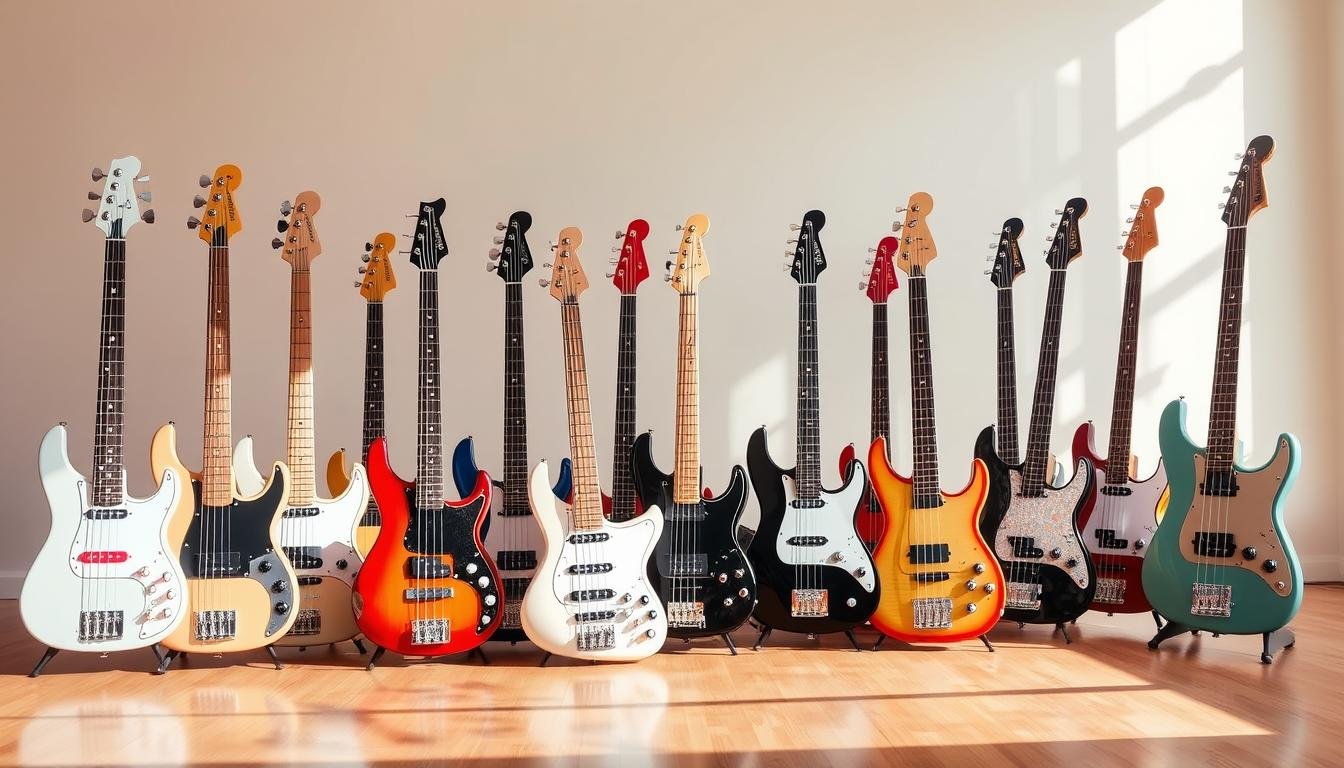
Modern bands use many bass instruments, each with its own sound and function. The bass instrument chosen can greatly change a band’s sound and style.
Electric Bass Varieties
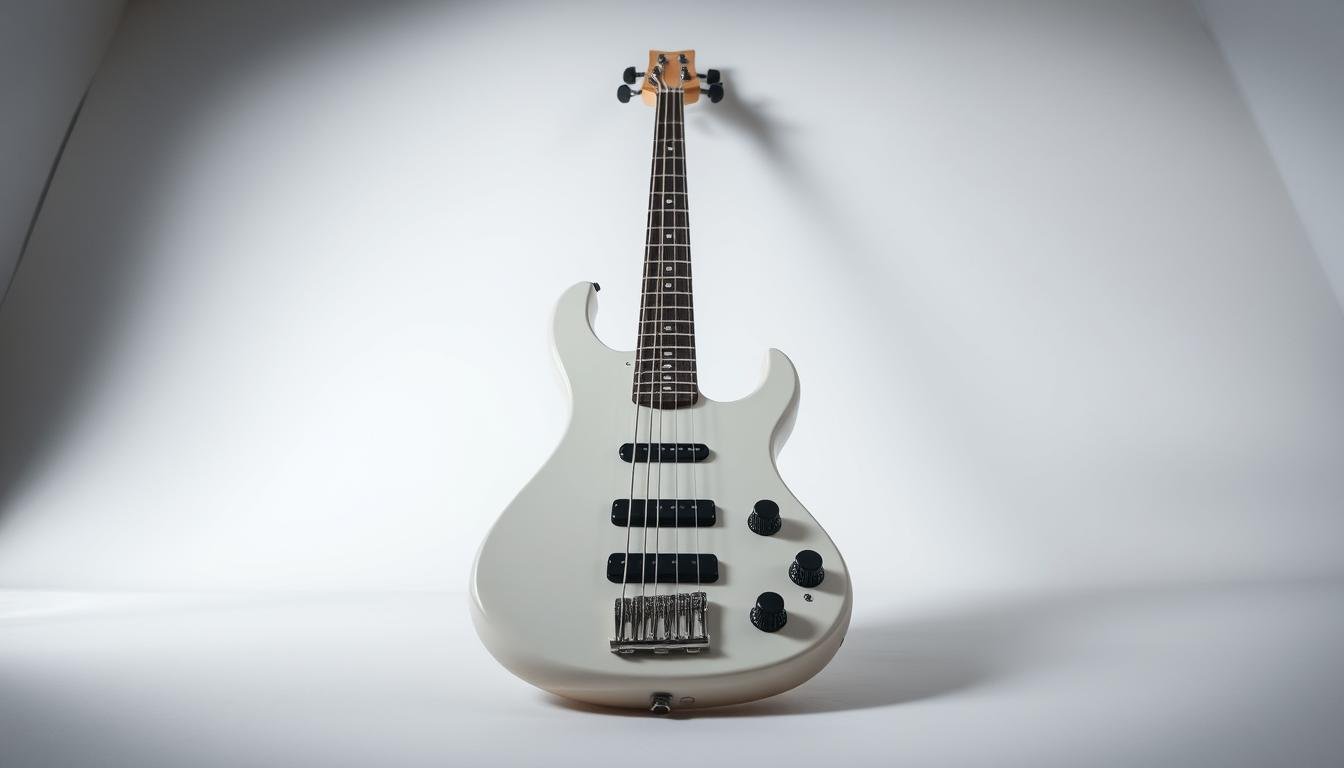
The electric bass guitar is key in many genres, offering many tones. Variations in electric bass guitars include different string counts and fretted or fretless designs.
4-String vs. 5-String and Beyond
The classic 4-string bass is versatile. But, 5-string and beyond offer more range and tones. They’re great for genres needing lower or higher notes.
Fretted and Fretless Options
Fretted basses have a clear sound. Fretless basses offer a smoother, more expressive tone. The choice depends on the player’s taste and the music’s needs.
Acoustic and Upright Bass
Acoustic and upright basses add warmth and character to music. Upright bass is famous for its rich sound, often used in jazz and classical.

Synthesized and Digital Bass
Synthesized and digital bass instruments are getting more popular. They offer a wide range of sounds and work well with electronic music. Digital bass can sound like traditional bass or create new ones.
The Technical Side: How Bass Players Create Their Sound
Bass players use many techniques to make their sound unique. The technical side of bass playing is key to a band’s sound.
Playing Techniques and Approaches
Bassists use different techniques to get their sound. These include:
- Fingerstyle, which gives a warm and intimate sound
- Picking, which brings a brighter and more aggressive tone
- Slap techniques, which add a percussive element
Fingerstyle, Picking, and Slap Techniques
Fingerstyle is great for genres needing a subtle sound. Picking is used in rock and metal to stand out. Slap techniques are popular in funk and R&B for their dynamic sound.
Muting and Articulation
Muting and articulation help with clarity and definition. By controlling note sustain and attack, bassists can make their sound more nuanced and expressive.
Equipment and Tone Shaping
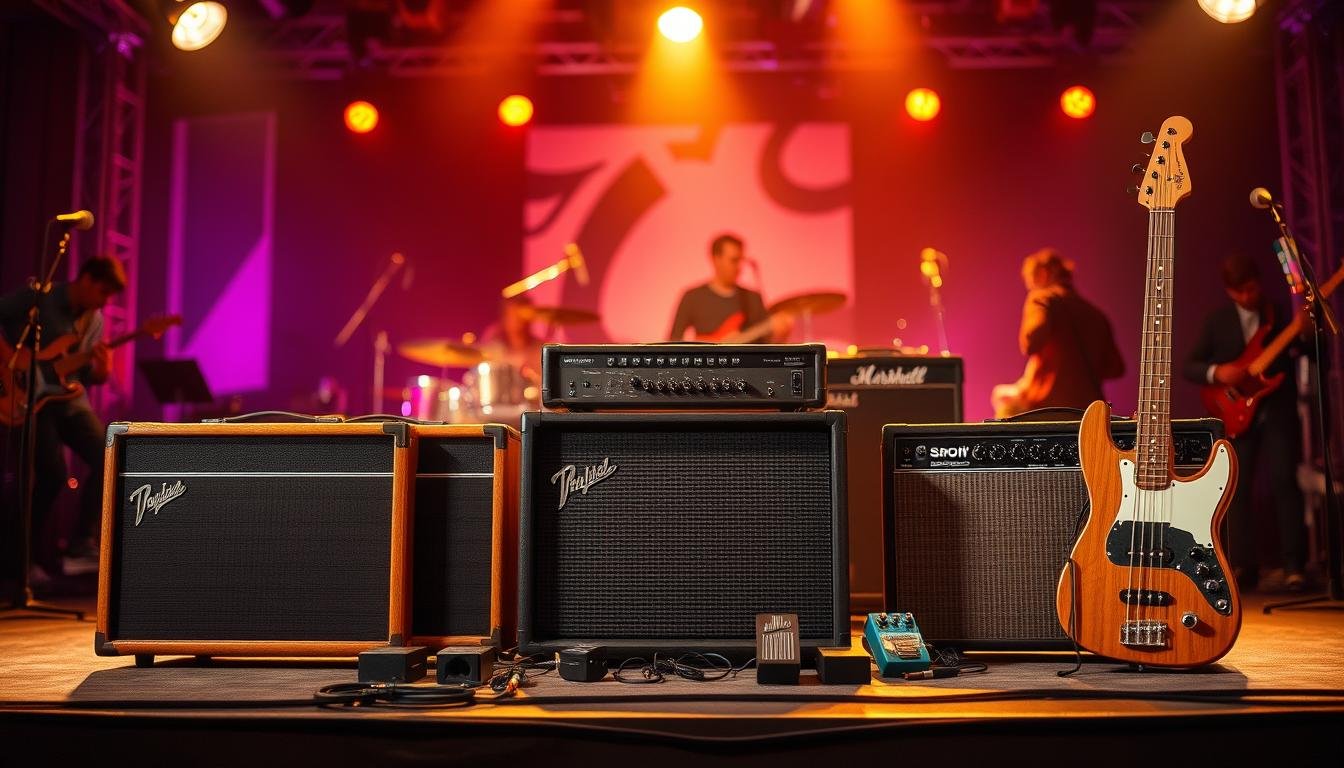
The gear bassists use is key to their tone. This includes amplification, effects, string types, and setup.
Amplification and Effects
Amplification and effects pedals are vital for enhancing the bass sound. Bassists can use EQ pedals to adjust their tone, compression to control dynamics, and overdrive to add distortion.
String Types and Setup Considerations
The type of strings used greatly affects the tone. Different materials and gauges change brightness, sustain, and playability. Proper setup, like adjusting the bridge and nut, is also crucial for great performance.
By mastering various techniques and understanding their equipment, bass players can create a unique sound that complements the music they play.
The Rhythm Section: Bass and Drums Partnership
The bass and drums form the heart of the rhythm section. They lay the groundwork for the band’s sound. James Jamerson, a legendary bassist, said, “The bass and drums are the backbone of the band. When they’re working together, it’s like a well-oiled machine.”
Creating the Pocket: Rhythmic Foundations
Building a strong rhythmic foundation is key for a tight rhythm section. The “pocket” is the groove the bass and drums make together. It’s about playing in sync and feeling the rhythm as one.
Locking In: Techniques for Tight Grooves
To get tight grooves, bassists and drummers need to play together smoothly. They practice together, listen to each other, and understand the music’s nuances.
“The drummer and bass player have to be like two people dancing together, moving as one unit.”
Victor Wooten, a famous bassist, said this. He’s known for his work with Béla Fleck and the Flecktones.
By focusing on the bass and drums partnership, musicians can make their music stronger. This partnership is built on trust, practice, and a deep music understanding.
Bass Across Musical Genres
The bass guitar plays a big role in many music styles. It can go from heavy rock and metal to the complex sounds of jazz and fusion. This shows how versatile the bass really is.
Rock and Metal Bass Fundamentals
In rock and metal, the bass is key. It drives the rhythm with strong, aggressive lines. Bassists use slapping and popping to add excitement.
Rock bassists lay down a solid foundation. Metal bassists play fast, intricate lines that match the guitar.
Funk, R&B, and Soul: When Bass Leads the Way
Funk, R&B, and soul make the bass a star. They use syncopated rhythms and melodies that push the song. Bassists need great timing and groove to shine.
They often take the lead with their basslines. This defines the music’s feel and energy.
Jazz and Fusion: Harmonic Complexity
Jazz and fusion bassists face a big challenge. They must handle complex chords and improvisation. The bass interacts with other instruments, needing deep music theory knowledge and technical skill.
Electronic and Modern Genres
In electronic and modern music, the bass gets a new twist. It’s often synthesized or heavily processed. This creates unique sounds.
Electronic basslines can be simple or very complex. Effects and digital tools open up a world of sounds. This makes the bass a key part of modern music.
Influential Bass Players Who Redefined the Instrument
Legendary bassists have made a lasting impact on music. Their new techniques and styles have influenced many. They also set the stage for future bass players.
Pioneers Who Changed Bass Playing Forever
Paul McCartney, John Entwistle, and James Jamerson are key figures in bass evolution. They made the bass a central part of music. Paul McCartney’s melodic bass lines with The Beatles, John Entwistle’s bold style with The Who, and James Jamerson’s detailed grooves with The Funk Brothers changed music forever.
| Bassist | Band/Notable Work | Contribution |
|---|---|---|
| Paul McCartney | The Beatles | Melodic bass lines |
| John Entwistle | The Who | Aggressive playing style |
| James Jamerson | The Funk Brothers | Intricate grooves |
Modern Masters and Their Unique Approaches
Today, modern bassists are breaking new ground. Flea, Geddy Lee, and Victor Wooten stand out for their creativity. Flea’s wide range with the Red Hot Chili Peppers, Geddy Lee’s complex rhythms with Rush, and Victor Wooten’s slap bass mastery inspire bassists everywhere.
Common Misconceptions About the Bass Guitar
Many people think playing the bass guitar is easy. But, it’s more than just a rhythm instrument. It adds depth and complexity to music. There are many misconceptions about the bass guitar.
Beyond “Just Playing Root Notes”
One big mistake is thinking bass playing is just about playing root notes. But, experienced bassists do much more. They use slapping, popping, and fingerwork to add dynamic lines. As legendary bassist James Jamerson once said, “The bass line is the glue that holds the whole thing together.”
“The bass is not just a supporting instrument; it’s a lead instrument in its own right.”
The Skill and Musicality Required
Playing the bass guitar needs a lot of skill and musicality. Bassists must have a strong sense of rhythm and timing. They need to lock in with the drummer and add their own flair. The ability to improvise and adapt is also key. As bassist Flea once noted, “The bass is not just about playing the right notes; it’s about feeling the music.”
In conclusion, the bass guitar is an instrument that demands respect. It’s complex and requires skill to play well. By understanding the bass’s role, we can appreciate music more.
Getting Started: Your Journey as a Bass Player
Starting your bass playing journey is an exciting adventure for music lovers. You’ll find joy in making music that touches others. The bass guitar, with its deep tones, is key in many music styles, making it a great instrument to learn.
Essential Skills for New Bass Players
To start, you’ll need to learn essential skills like rhythm, basic chords, and scales. Knowing the instrument’s parts and proper techniques is also important. Regular practice will boost your finger strength, timing, and musicianship.
Key skills to work on include:
- Understanding rhythm and timing
- Learning basic chords and scales
- Developing finger strength and dexterity
- Improving your tone and playing style
Resources and Learning Paths
There are many resources available for learning bass guitar. Online tutorials, video lessons, and apps offer structured learning. You can also take private lessons or join a local music group for feedback.

YouTube is a great place for free lessons. Music learning websites also offer comprehensive courses. Local music stores often have lessons and workshops for beginners.
Conclusion: The Indispensable Role of Bass in Musical Expression
The bass guitar is key in music, giving it the rhythm and foundation. We’ve looked at its role in bands, how it’s evolved, and its technical side. It connects rhythm and harmony, adding depth and space to music.
Influential bass players have changed the game, making the bass more than just a sound. It’s been a part of many genres, from rock to jazz. Knowing the bass’s role helps us see the complexity and richness in music.
In short, the bass is essential in music. Its importance will only grow as we explore new sounds. It keeps the rhythm and harmony alive, making music vibrant and engaging.
FAQ
What is the primary role of the bass in a band?
The bass provides the low-end foundation and rhythmic drive. It acts as a bridge between rhythm and harmony sections.
How does the bass contribute to the overall sound of a band?
The bass adds depth, complexity, and rhythm. It supports other instruments and helps create a cohesive sound.
What are the different types of bass instruments used in modern bands?
Modern bands use electric bass, acoustic and upright bass, and synthesized or digital bass. Each has its unique characteristics and roles.
What techniques do bass players use to create their sound?
Bass players use fingerstyle, picking, and slap techniques. They also use muting and articulation to create their unique sound.
How does the bass interact with the drums in a band?
The bass and drums form the rhythm section. They work together to create a solid rhythmic foundation. The bass provides the low-end drive, and the drums provide the backbeat.
Are there different approaches to playing the bass in different musical genres?
Yes, different genres require distinct approaches. For example, funk and R&B focus on rhythm, while jazz and fusion are complex. Rock and metal are aggressive.
Who are some influential bass players who have shaped the instrument?
Influential bass players like Paul McCartney, John Entwistle, and Flea have redefined the instrument. They have pushed the boundaries of what is possible on the bass.
What skills are required to play the bass effectively?
To play the bass effectively, you need technical skills like finger dexterity and chord progressions. You also need musicality, including a strong sense of rhythm and timing.
What resources are available for those looking to learn to play the bass?
Many resources are available for learning to play the bass. You can find online tutorials, instructional books, and private lessons with experienced instructors.
Is the bass guitar just about playing root notes?
No, the bass guitar is not just about playing root notes. It requires a range of skills, including playing complex rhythms, using various techniques, and adding depth and complexity to the music.