
Welcome to the exciting world of low-end groove! If you’re ready to start playing the beginner bass guitar, you’ve taken a big step. The bass gives music its heartbeat and power.
But, walking into a music store or browsing online can feel overwhelming. Dozens of brands, styles, and prices compete for your attention. Which first bass guitar will be best for you?
This bass guitar buying guide is here to help. You don’t need years of experience to make a smart choice. You just need the right information about what matters most.
This guide will cover key factors like body styles, neck comfort, electronics, and value. By the end, you’ll feel confident in your purchase. Let’s find the perfect instrument for your musical journey!
Key Takeaways
- You don’t need expert knowledge to choose a quality beginner bass guitar that suits your playing style and budget
- Understanding basic bass types and features helps you make an informed decision when purchasing your first instrument
- The right first bass guitar balances playability, sound quality, and affordability for new players
- Comfort and proper setup matter more than brand names when starting your bass-playing journey
- This buying guide provides practical information to help you invest wisely in your musical future
Why Your First Bass Purchase Deserves Careful Thought
Choosing your first bass is more than just buying an instrument. It sets the stage for your success. The right bass can make learning fun and keep you playing for years. Understanding what makes a good bass guitar for beginners can save you from frustration and wasted time.
Many beginners rush into buying a bass without thinking. This can lead to problems that slow down your progress. Your first bass should help you grow, not hold you back.
The Impact of a Good First Instrument on Your Learning Journey
A quality bass guitar for beginners makes learning easier and more fun. It should feel comfortable and sound great. This lets you focus on improving your skills without struggling with a bad instrument.
Good tone is key. It helps you hear what you’re playing. Without it, you can’t develop your musical skills.
Proper setup is also important. It helps you play correctly from the start. Bad habits can be hard to break later on.
The best starter bass helps you know if problems are with you or the instrument. This is crucial when you’re learning.
Common Mistakes Beginners Make When Buying a Bass
Many beginners choose a bass based on how it looks. But a beautiful bass that doesn’t play well will just collect dust. Function must come before fashion, even for beginners.
Here are some common mistakes:
- Buying the absolute cheapest option available: Cheap basses often have quality issues that make them hard to play.
- Selecting a bass that’s too advanced or complicated: Beginners need simplicity, not complex features.
- Purchasing from unreliable sources without quality checks: Buying from unknown sellers can lead to problems.
- Not considering how the bass feels in your hands: Everyone’s body is different, so what works for one might not work for you.
- Ignoring the importance of proper setup: Even good basses need adjustments, but beginners often don’t know what to check.
Another mistake is letting others push you toward their favorite basses. Your first bass should fit your body, style, and goals, not someone else’s.
Beginners also often forget about the total cost. You’ll need an amplifier, cable, strap, tuner, and more. Spending all your money on the bass leaves you unable to practice effectively.
How the Right Bass Keeps You Motivated
Motivation is key to success. A bass you love to play keeps you practicing. When your bass sounds and feels great, you’ll want to play more.
The best starter bass is one that makes you happy to see it. Loving your instrument means you’ll play more and practice longer.
Comfort is also important. A bass that feels natural in your hands lets you practice without getting tired. This helps you build the skills you need to improve.
Good tone is rewarding. Hearing clear notes when you play correctly motivates you to keep improving. Poor tone makes practice feel like a chore.
You don’t need the most expensive bass to stay motivated. What you need is a beginner instrument that performs well and sounds great. Investing in a good starter bass will keep you excited and help you progress faster.
Understanding the Main Types of Bass Guitars
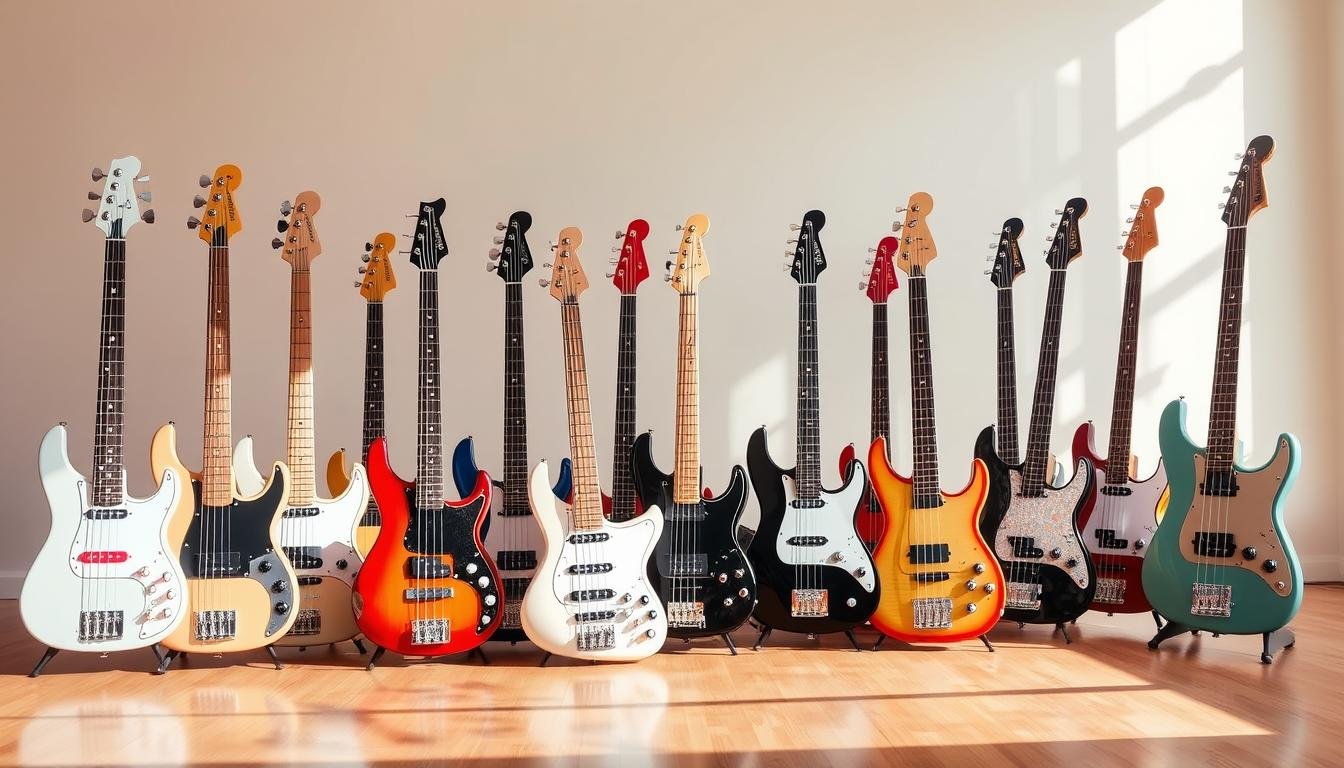
When you enter a music store, you’ll see many bass guitars. But most fall into a few main categories. Each has its own features that fit different playing styles and music genres. Knowing these basics helps you choose the right one for you.
The Precision and Jazz models are the foundation of bass guitar history. You also need to decide on active or passive electronics. For beginners, picking the right number of strings is key to starting your journey.

Precision Bass Style: The Punchy Workhorse
The Precision bass has been a rock and punk staple since the 1950s. Its split-coil pickup in the middle body gives a thick, punchy sound. This makes it easy for beginners to get started.
P-Bass style basses have chunky necks and simple controls. You’ll find just a volume and tone knob. This simplicity helps beginners focus on playing rather than adjusting settings.
This design is great for a solid, dependable sound. Many pros use Precision basses for recording because they need little processing. For beginners, this means more time to practice playing.
Jazz Bass Style: Versatile and Bright
The Jazz bass offers more tonal options with its dual single-coil pickups. These pickups near the bridge and neck give a brighter sound. You can mix these pickups for a wide range of tones.
J-Bass style basses have slimmer necks, making them easier to play. They have volume knobs for each pickup and a master tone control. This lets you adjust from deep lows to sharp highs.
Jazz basses are versatile for many genres. You can adjust your tone for funk, jazz, rock, or pop. Their responsive sound rewards players who develop good technique.
Active vs Passive Electronics: Which Suits Beginners Better
Choosing between active bass guitar and passive bass guitar electronics can confuse beginners. Passive systems use only pickups and tone controls without external power. They deliver a natural tone that many bassists prefer.
Active electronics have a preamp powered by a 9-volt battery, offering EQ controls. An active bass guitar has a hotter output and more tonal options. But, you’ll need to remember to change batteries and deal with more complex controls.
For beginners, passive systems have several advantages:
- No battery maintenance required
- Simpler controls that are easier to understand
- Natural, organic tone that teaches you to shape sound with your hands
- Generally more affordable at entry-level price points
Active basses are good for playing multiple genres or wanting built-in tone shaping. But, you’ll need to remember to change batteries and deal with more controls.
Four-String Bass: The Smart Starting Point
While you might see five-string and six-string basses, the 4 string bass is best for beginners. These instruments cover the standard bass range with strings tuned E-A-D-G. Starting with four strings lets you focus on basics without extra complexity.
The narrower neck width on a 4 string bass is easier for smaller hands. You’ll find fretting notes and changing positions more manageable. This makes it easier to build confidence in your first months of playing.
Most bass instruction materials are for four-string instruments. This means you’ll have access to many learning resources without needing to adapt. Plus, you can always add more strings later if needed.
Understanding these main bass guitar types gives you a solid foundation for making your purchase decision. Whether you choose a Precision-style workhorse, a versatile Jazz configuration, active or passive electronics, sticking with a four-string setup will serve your learning goals well. The next step involves setting a realistic budget that balances quality with affordability.
Setting a Realistic Budget for Your First Bass
When buying your first bass, money is important. But knowing where to spend it is even more crucial. A good bass guitar budget includes the instrument and everything you need to play it.
Quality instruments are available at various prices. Knowing what each price range offers helps you make a smart choice. You don’t have to spend a lot, but you shouldn’t go too cheap either.
The Under $300 Range: Entry-Level Options
The under $300 range is for true beginners. These instruments are affordable and accessible, but they have some trade-offs. You’ll find basic hardware, simpler electronics, and cost-saving construction methods.
These basses are not unplayable. Many respected brands offer beginner packages in this range. But, you might need a professional setup to get the best out of it.
This range is good if you’re not sure about playing bass. It’s also great for young players who might grow out of their instrument soon. Keep in mind you might want to upgrade in a year or two as you get better.
Common features of basses under $300 include:
- Basic tuning machines that may need frequent adjustment
- Factory setups that often need improvement
- Simpler pickup configurations with less tonal variety
- Hardware that works but may not last long
- Finish quality that’s functional rather than premium
The $300-$600 Sweet Spot for Beginners
This range is the ideal starting point for serious beginners. The quality improvements here are significant. You get better construction, reliable hardware, improved pickups, and instruments that last for years.
Basses in this range have the same designs as professional ones but with slight material differences. The playability, tone, and build quality are much better. Many working bassists use instruments in this range for gigs and recordings without any issues.
The long-term value here is exceptional. While you’re spending more upfront, you’re less likely to need to upgrade quickly. These instruments typically hold their resale value better, so if you do decide to move up eventually, you’ll recoup more of your investment.
What your extra money buys in this range:
- Higher-quality pickups with better tone and output consistency
- More stable tuning machines with better gear ratios
- Improved fretwork requiring less setup adjustment
- Better quality control during manufacturing
- Upgraded bridges and hardware that enhance sustain
- Finished necks that feel smoother and more professional
Budgeting for Amplifier and Accessories
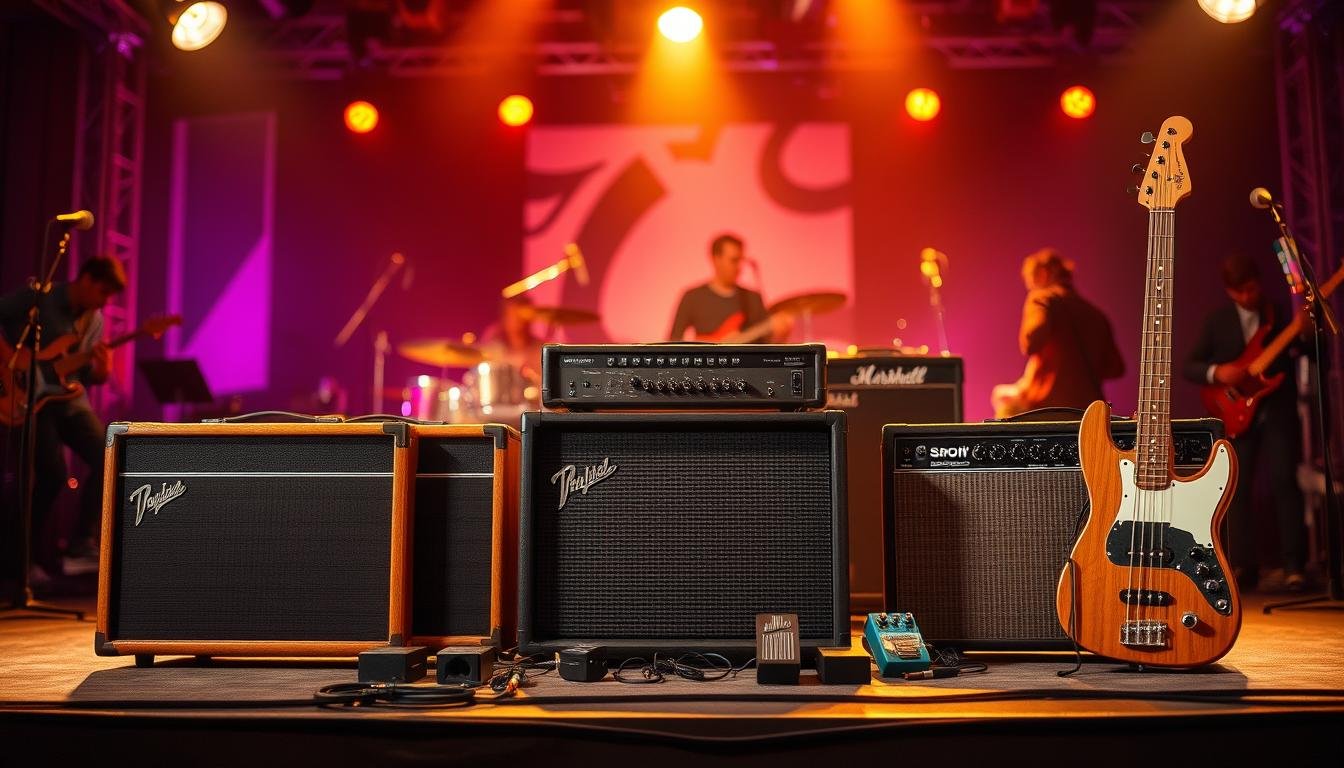
Your bass guitar budget should include more than just the instrument. A bass without an amplifier is like a car without gas—technically complete but not very useful. Plan to spend an additional $100-$300 for a decent practice amp that lets you hear what you’re actually playing.
The essential accessories list includes several items that add up quickly. You’ll need an instrument cable to connect your bass to the amp, a comfortable strap for playing standing up, and a reliable tuner to keep your bass sounding right. A gig bag or case protects your investment during storage and transport.
Here’s a realistic breakdown of additional costs:
| Item | Budget Option | Recommended Option | Why It Matters |
|---|---|---|---|
| Practice Amplifier | $80-$120 | $150-$250 | Better tone helps you learn proper technique |
| Instrument Cable | $10-$15 | $20-$30 | Quality cables reduce noise and last longer |
| Strap | $10-$20 | $25-$40 | Comfort matters for practice sessions |
| Tuner | $15-$25 | $30-$50 | Accurate tuning is essential for ear training |
| Gig Bag/Case | $30-$50 | $60-$100 | Protection prevents costly repairs |
Don’t forget about ongoing costs like strings, which need replacement every few months depending on how often you play. Factor in about $20-$30 every three to six months for fresh strings. Some beginners also benefit from a bass guitar setup by a professional technician after purchase, which typically runs $50-$80.
Used vs New: Making the Smart Financial Choice
The used market offers compelling opportunities for stretching your entry level bass guitar budget. A well-maintained used instrument often provides significantly better specifications for the same money compared to buying new. Basses have also “settled in” tonally, and any manufacturing issues have likely already been identified and resolved.
Buying used does require more caution. You need to inspect the instrument carefully for damage, worn frets, neck problems, or electronic issues. Without experience, it’s helpful to bring along a knowledgeable friend or even your future bass teacher to evaluate potential purchases.
New instruments offer peace of mind that appeals to many beginners. You get a factory warranty, the assurance that no one has mistreated the bass, and the satisfaction of being the first owner. For those who find the uncertainty of used purchases stressful, the extra cost of new is worth it.
Consider buying used when:
- You want to access higher-end features on a limited budget
- You’re comfortable evaluating instrument condition or have expert help
- You’re buying from a reputable music store with return policies
- The specific model you want is discontinued or hard to find new
Consider buying new when:
- You want warranty protection and manufacturer support
- You’re unsure about evaluating used instrument condition
- You prefer the psychological boost of a brand-new instrument
- You’re taking advantage of beginner package deals that include accessories
Whatever bass guitar price range you choose, remember that the best investment is one that matches your commitment level and keeps you excited about practicing. A slightly more expensive bass that inspires you to play daily is worth more than a cheaper option that sits in the corner.
Sound and Tone: What to Listen For
When testing bass guitars, knowing what to listen for is key. The bass guitar sound comes from many factors. You don’t need perfect pitch to evaluate tone, but knowing the basics helps a lot.
Tone is like the personality of your instrument. Some basses sound warm and thick, while others are bright and clear. Your task is to find the sound that fits your music style.
Tonewoods and Their Sonic Signatures
The wood in your bass body affects its sound more than you might think. Different woods vibrate in different ways, changing the bass guitar tone you hear. Alder is popular because it offers balanced, clear sound.
Ash bodies give a brighter, punchier sound with clear definition. This wood makes your notes stand out in band mixes. Basswood, on the other hand, has a warm, mellow sound that feels smooth.
Maple adds brightness and sustain, often used in necks. But, wood type is just one part of the sound puzzle. Beginners shouldn’t worry too much about exotic tonewoods. Alder and ash are great for years of playing.
Pickup Types Decoded
Your bass guitar pickups choice affects your sound the most. These sensors capture string vibrations and turn them into electrical signals. There are three main types, each with its own sound.
Single coil pickups on Jazz-style basses offer bright and clear tones. They capture every detail of your playing. But, they can pick up electrical interference, causing a hum.
Split coil pickups on Precision basses give thick and warm sounds with natural punch. They cancel out hum and deliver a classic bass sound. These bass guitar pickups are great for rock, punk, and soul.
Humbucker pickups produce powerful, fat tones without any noise. They’re perfect for aggressive playing. Many active basses use humbuckers with preamps for more tonal options.
| Pickup Type | Tonal Character | Best Musical Styles | Noise Level |
|---|---|---|---|
| Single Coil | Bright, clear, articulate | Jazz, funk, R&B, fusion | Some hum possible |
| Split Coil | Warm, thick, punchy | Rock, punk, Motown, country | Hum-canceling |
| Humbucker | Powerful, fat, aggressive | Metal, hard rock, progressive | Completely silent |
Finding Your Genre Match
Rock, punk, and Motown fans often prefer Precision-style basses with split coil pickups. They deliver that authoritative thump you hear in classic recordings. The thick midrange cuts through guitar-heavy mixes.
Funk, jazz, and R&B players like Jazz-style basses with dual single coils. They offer bright, growling tones that cut through with definition. You can adjust from smooth to aggressive.
Metal and hard rock fans should look at active electronics with humbucker bass guitar pickups. They handle down-tuning and aggressive playing. Active preamps let you shape your tone for different songs.
These guidelines help, but don’t limit you. Many basses work well across genres. A Jazz bass can rock hard, and a Precision bass can play jazz well.
The best way to choose is to listen to your favorite songs. Do you like deep bass lines or bright melodies? Your ears are the best guide for finding instruments that inspire you.
Playability and Physical Comfort Matter Most
How your bass guitar feels is just as important as how it sounds, during those early learning months. Bass guitar comfortaffects how long you practice and how fast you improve. An instrument that sounds great but hurts your hands or shoulders will likely stay in its case.
To check bass guitar playability, spend time with it before buying. Everyone’s body is different. What works for your friend might not work for you.
Several physical factors decide if a bass fits your body and playing style. Knowing these helps you choose a bass that keeps you comfortable while practicing.
Finding the Right Neck Shape for Your Hand
The bass guitar neck shape greatly affects comfort. Neck shapes fall into three main types, each with its own benefits.
C-shaped necks are the most comfortable for most people. They have a rounded shape that fits naturally in most hands. This design supports your thumb while letting your fingers reach the strings easily.
Slim or fast necks are great for quick playing. They’re thinner, appealing to players with smaller hands or those who like speed. But, they offer less thumb support, which can be uncomfortable for long playing.
Chunky necks feel substantial and are loved by many. They provide excellent thumb support and a firm grip. But, they might be hard for beginners with smaller hands to reach around.
Trying different neck profiles before buying is key. What works for experienced players might not fit your current technique or hand size.

Understanding Scale Length Options
Most bass guitars have a 34-inch scale length. This standard size produces deep tones with the right string tension. It’s good for average-sized adults.
A short scale bass is between 30 and 32 inches. These shorter instruments have advantages. They’re easier to play for younger players or those with smaller hands.
Short scale basses have lighter string tension, which is easier on your fingers. They sound warmer but have a less defined low-end.
The short scale bass design is popular, thanks to iconic models like the Fender Mustang. Many pros choose them for their comfort and unique sound, showing they’re not just for beginners.
Considering Weight and Balance
Bass guitar weight affects your playing more than many beginners think. Heavy instruments can cause shoulder and back pain during long practice. Some basses weigh over 10 pounds, becoming uncomfortable after 30 minutes of standing play.
Balance is as important as weight. Some basses have “neck dive,” where the headstock drops when you release your fretting hand. This forces you to constantly support the neck, causing shoulder and arm tension.
To test bass guitar weight and balance, stand with the instrument on a strap. Hold it in playing position for several minutes. It should hang naturally without needing constant adjustment or support from your fretting hand.
Lighter woods like alder and ash make more comfortable instruments. Solid body basses with chambered designs reduce weight while keeping tone quality. These are good options if you practice while standing.
Evaluating String Action and Fret Quality
String action is how high the strings are above the fretboard. It greatly affects how easy or hard the bass guitar neck is to play. Too high action makes playing painful and slow.
Low action makes playing faster with less finger pressure. But, strings set too low cause buzzing sounds against the frets. The best setup balances playability with a clean tone.
Most beginners struggle to judge proper action. A qualified setup from a music store technician costs $50-75 but greatly improves playability. Good setup often matters more than the bass itself for playability.
Fret accessibility also affects comfort. Well-dressed frets feel smooth under your fingers without sharp edges. Frets should sit level across the neck, allowing easy playability without buzzing or dead spots.
Check upper fret access by playing notes above the 12th fret. Some bass designs make reaching these positions hard due to body shape. If you plan to explore melodic playing, easy access to all frets is important.
| Comfort Factor | What to Look For | Why It Matters | How to Test |
|---|---|---|---|
| Neck Profile | C-shape for most beginners, slim for smaller hands, chunky for larger hands | Affects grip comfort and playing speed | Wrap your hand around the neck in playing position for 5 minutes |
| Scale Length | 34-inch standard or 30-32 inch short scale | Determines finger stretch and string tension | Check if you can comfortably reach four frets without repositioning |
| Weight & Balance | Under 9 pounds, minimal neck dive | Prevents fatigue during extended practice | Stand with strap for 10 minutes, release fretting hand to check dive |
| String Action | Low enough for easy pressing, high enough to avoid buzzing | Directly impacts playing ease and hand fatigue | Play every string at multiple frets, listen for clean tone without buzzing |
Remember, bass guitar playability preferences change as you get better. Your first bass doesn’t need to be perfect for advanced techniques. Focus on finding an instrument that feels comfortable now, encouraging you to practice every day.
Choosing Your First Bass: What Really Matters in Hardware Quality
When you look at a bass guitar, the mechanical parts tell you a lot about its reliability. The bass guitar hardwareincludes tuning machines, bridges, and fretwork. These parts affect how your bass stays in tune and feels under your fingers.
Quality hardware is key to enjoying your bass for years. Beginners might overlook these details because they’re not as flashy as the looks or body shape. But knowing what to look for helps you make a better choice.
Tuning Machine Stability and Gear Ratio
Bass tuning machines keep your strings at the right pitch and let you make precise adjustments. Good tuners turn smoothly without any grinding feeling or slipping back after you’ve set them. When you tune up your bass, the tuning pegs should hold their position reliably.
The gear ratio shows how many times the tuning button must rotate to make the post complete one full turn. Higher ratios like 20:1 give you finer control than lower ratios like 14:1. This matters because bass strings are thick and under high tension, so precision tuning becomes important.
Sealed bass tuning machines require less maintenance than open-gear designs. They keep dust and dirt away from the internal gears. When testing tuners, check that they feel solid and turn with consistent resistance rather than feeling loose or wobbly.
Bridge Design: String-Through vs Top-Load
The bass guitar bridge anchors your strings and transfers their vibration to the body. Two common designs serve beginners well, each with specific advantages. Understanding these options helps you know what you’re getting without worrying too much about making the “wrong” choice.
String-through-body bridges route the strings through holes drilled in the body itself. This design increases sustain and stability because the strings have more contact with the solid wood. Many players feel this configuration gives a tighter, more focused tone.
Top-load bass guitar bridge designs let you thread strings through the bridge itself without going through the body. This makes string changes faster and easier for beginners. The tone difference is subtle, and both types work excellently for learning and practicing.
More important than the loading style is that your bridge sits solidly mounted with no wobbling. Check that the saddles adjust smoothly for intonation. Quality bridges use harder metals that won’t wear down quickly from string contact.
Fretwork Quality and Neck Straightness
Fretwork quality dramatically impacts playability more than almost any other aspect of bass guitar hardware. The frets are the metal bars embedded across the fingerboard. They should feel smooth and level without any sharp edges that scratch your hand as you slide along the neck.
Run your hand gently along both edges of the neck from the headstock to the body. You shouldn’t feel any fret ends poking out or catching your palm. Quality fretwork has properly crowned frets that are polished and seated correctly in their slots.
Neck straightness is equally critical for comfortable playing. Hold the bass and look down the length of the neck like you’re sighting down a rifle barrel. The neck should appear straight or have just a slight forward bow called relief.
Check that the truss rod functions properly by asking the store employee to demonstrate a small adjustment. The truss rod is an internal metal bar that counteracts string tension. A working truss rod lets you adjust the neck relief throughout the bass’s lifetime as wood naturally moves with humidity changes.
| Hardware Component | Quality Indicator | What to Check | Why It Matters |
|---|---|---|---|
| Tuning Machines | Smooth operation, high gear ratio (18:1 or higher) | Turn each tuner and check for grinding or slipping | Keeps your bass in tune during practice sessions |
| Bridge Type | Solid mounting, adjustable saddles | Check for wobbling, test saddle adjustment screws | Affects sustain, intonation, and string stability |
| Fretwork | Level frets, smooth edges, proper crowning | Run hand along fret edges, press strings at each fret | Determines comfort and playability across entire neck |
| Neck Straightness | Straight or slight relief, functional truss rod | Sight down neck length, ask about truss rod adjustment | Enables proper setup and prevents buzzing or high action |
Quality hardware doesn’t always mean expensive hardware. Many beginner basses in the $300-$600 range feature reliable components that perform well for years. The key is knowing what to examine so you can spot the difference between adequate quality and poor construction.
Take your time inspecting these mechanical elements when shopping. A bass with excellent hardware will serve you reliably while you develop your skills. These components work together to create an instrument that stays in tune, plays comfortably, and responds consistently to your technique.
Trusted Bass Guitar Brands for Beginners
The bass guitar market has many makers, but some stand out for beginners. Established bass guitar brands offer great value. They have spent years perfecting their designs and production.
Knowing which brands are best for quality, playability, and price is key. Let’s look at the top brands that bass teachers and students recommend.
Squier Affinity and Classic Vibe Series
The Fender Squier brand is a smart choice for beginners. It offers authentic Precision and Jazz bass designs at a lower price. These basses have the iconic shapes and sounds that have shaped bass music.
The Affinity series starts at around $250. These basses have reliable hardware, comfortable necks, and the classic Fender sound. They offer genuine design heritage at a beginner-friendly price.
The Classic Vibe series is for those with a bit more budget. It offers upgraded components and vintage looks. These models, priced from $400-$500, have better pickups and electronics, and higher-quality wood.
GSR and TRBX Series Options
The Ibanez GSR series is known for its playability and modern features. Ibanez basses have slim, fast necks for easier learning. They also have lightweight bodies and active electronics for versatility.
Models like the GSR200 offer great value at $200-$300. They have professional-grade quality control and reliable performance. The necks feel comfortable right away, making it easier to adjust.
The Yamaha TRBX series is another great choice for beginners. Yamaha’s expertise in instrument-making shines in these basses. The TRBX174 and TRBX304 models offer comfort, clear tone, and solid construction.
Yamaha’s quality control ensures consistent performance. Their electronics are quiet, hardware is stable, and playability is excellent. These instruments rarely need setup adjustments.
SUB Series Value
The Sterling by Music Man SUB series offers premium features at beginner-friendly prices. As Music Man’s affordable sub-brand, Sterling delivers distinctive tones and professional build quality. These basses offer great value.
Models like the StingRay Ray4 provide the iconic Music Man sound for around $350-$400. They have active electronics, solid hardware, and exceptional attention to detail in construction. The necks feel substantial but not overwhelming, and the tone options rival more expensive instruments.
Sterling basses feature quality components that last years. The pickups deliver strong output with minimal noise, and the preamps offer useful tone-shaping capabilities. These instruments grow with you as your skills improve.
Value From Established Manufacturers
Buying from recognized bass guitar brands offers many benefits. Consistent quality control means your instrument meets high standards. These brands have strict inspection processes to catch defects before products reach customers.
Parts availability is crucial as you progress in your playing journey. Major brands have extensive dealer networks and readily available replacement components. If you need new tuners, pickups, or electronics, you’ll find compatible parts easily and affordably.
The resale value of instruments from trusted brands remains strong. When you’re ready to upgrade, your Squier, Ibanez, or Yamaha bass retains significant value. This helps offset the cost of your next instrument.
Service and support networks are important for beginners. Established brands have qualified repair technicians nationwide who understand their instruments well. You’ll find help quickly if adjustments or repairs become necessary.
Unknown budget brands might seem tempting with their low prices, but they often create frustration. Poor quality control leads to playability issues, while proprietary parts make repairs difficult or impossible. The money you save initially gets lost in setup costs and replacement expenses.
Choosing established manufacturers means investing in decades of design refinement and manufacturing expertise. These companies understand what beginners need and deliver instruments that support long-term musical growth.
Where to Buy and How to Test Your Bass
Choosing where to buy your bass is important. It affects the price and support you get. Local music stores and online retailers have their own benefits for beginners.
Where you buy impacts testing and warranty support. Knowing these differences helps you make a good choice.
Benefits of Buying from Local Music Stores
Local shops let you try out basses before buying. This lets you feel the fit and sound. Photos can’t show you everything.
Experts at local stores give personalized advice based on your goals. They answer questions and share their experience. Many offer free setup services to get your bass ready.
Local stores build lasting relationships with customers. They’re a trusted source for future needs and advice. Supporting local businesses helps your music community.
Local stores might cost a bit more than online. But, the help and setup are worth it for beginners.
Online Shopping: What You Need to Know
Online, you find lots of options and good prices. You can compare many basses quickly. Customer reviews give real insights into quality.
Good online stores like Sweetwater and Guitar Center offer great service. They have detailed info and videos. Their checkout is secure and shipping is reliable.
The big drawback of online shopping is not being able to test the bass first. You can’t feel the comfort or sound until it arrives. Sometimes, shipping can damage the bass.
Returning an online purchase can be tricky. You might face restocking fees or have to pay for return shipping. Always check these policies before buying.
Essential Checks When Testing a Bass Guitar
When testing a bass, do a thorough check. This helps find any problems early on.
First, check the frets. Play each fret on all strings to find buzzing or dead spots. This shows if the frets are even.
- Check if the tuning stays stable by tuning, playing hard, and then retuning
- Feel the neck comfort by wrapping your hand around the fingerboard at different spots
- Test the weight and balance by wearing the bass with a strap for a while
- Make sure all knobs and switches work smoothly without crackling
- Look closely at the finish and hardware for any defects or damage
Trust your feelings about the bass. The specs are important, but feeling connected to the bass matters more. If something feels off, keep looking.
Understanding Return Policies and Warranties
Read the fine print to protect your investment. Return policies vary, so ask about them before buying.
Most good dealers offer 30 to 45 days to return. This gives you time to test your bass. Some extend this during holidays.
| Policy Aspect | What to Verify | Why It Matters |
|---|---|---|
| Return Timeframe | Number of days from delivery or purchase | Ensures adequate testing period |
| Shipping Responsibility | Who pays for return shipping costs | Affects total financial risk |
| Condition Requirements | Acceptable wear during return window | Prevents unexpected restocking fees |
| Manufacturer Warranty | Coverage duration and included repairs | Protects against defects and failures |
Know who pays for return shipping. Free return shipping lowers your risk when buying online. Some retailers subtract shipping from your refund.
Warranties usually last a year and cover defects. They don’t cover normal wear, accidents, or unauthorized changes. Keep your receipt and register your bass with the maker.
Always buy with good return options. This is crucial for beginners. A good return policy shows the seller trusts their product.
Conclusion
Buying your first bass guitar doesn’t have to be hard. You’ve learned about what makes a bass great, like how it feels and sounds. The key is finding one that feels right in your hands and makes you want to play.
Choosing your first bass isn’t about finding the perfect one. A good instrument in the $300-$600 range from brands like Fender Squier, Ibanez, or Yamaha is a great start. Many famous bassists started with simple instruments and got better over time.
When picking your first bass, think about what you need and what feels good to you. Try out different models if you can. Look for a bass that’s comfortable to hold and easy to play. Trust your gut if it feels like the right one.
Don’t let fear of making the wrong choice hold you back. Your first bass is just the start. You’ll get better and your tastes will change. What’s important is the skills you build, not the exact bass you pick.
So, go ahead and start playing. Pick up that bass, plug it in, and enjoy making music. Every famous bassist started where you are now. Your adventure begins when you decide to start.
FAQ
Should I buy a four-string or five-string bass as my first instrument?
We recommend starting with a four-string bass. Four strings help you learn proper technique and music basics. Most bass music is written for four strings, and the neck is easier to handle for beginners.You can always add a five-string or six-string bass later. This way, you’ll have solid skills on a standard four-string first.
How much should I expect to spend on my first bass guitar?
Expect to spend between $300 and $600 for a good beginner bass. In this range, you’ll find solid construction and reliable electronics. These basses are durable and sound great.Remember to add $100 to $300 for a practice amp and other essentials. This will help you get started right.
What’s the difference between a Precision Bass and a Jazz Bass?
Precision Basses have a split-coil pickup for a thick, punchy sound. They’re great for rock and Motown. Jazz Basses have two single-coil pickups for a brighter sound. They’re perfect for funk and jazz.Both are good for beginners. Your choice depends on the music you like and the neck feel.
Is it better to buy a new or used bass guitar as a beginner?
Both new and used basses have their advantages. New basses come with warranties and are in perfect condition. Used basses might offer better value and tone.If you’re a complete beginner, buying new from a reputable dealer is safer. This way, you know exactly what you’re getting.
Do I need an active or passive bass as my first instrument?
We suggest starting with a passive bass. Passive electronics are simpler and offer classic tones. They work well for many musical styles.Active basses have onboard EQ and hotter output. They’re great, but add complexity. You can explore active electronics later.
What bass brands are most reliable for beginners?
Several brands offer great value for beginners. Fender Squier, Ibanez GSR, Yamaha TRBX, and Sterling by Music Man are top choices. They provide quality and reliability.These brands have consistent quality, available parts, and better resale value. They’ve refined their designs over decades.
What should I check when testing a bass guitar in a store?
Play every fret and listen for buzzing or dead spots. Check that the bass stays in tune and all tuning machines turn smoothly. See how the neck feels in your hand.Test all controls and pickups. Run your hand along the fret edges for sharp ends. Inspect the finish and hardware for defects. Most importantly, trust your gut feeling.
Should I buy my first bass from a local music store or online?
Local music stores offer big advantages for beginners. You can test instruments, get expert advice, and build relationships. Online retailers like Sweetwater and Guitar Center have a wider selection and competitive prices.If you buy online, make sure there’s a good return policy. For your first bass, the hands-on experience of a local store is worth the extra cost.
What’s the difference between string-through-body and top-load bridges?
String-through-body bridges route strings through the body for better sustain and tuning stability. Top-load bridges anchor strings directly to the bridge, making string changes easier. Both work well.As a beginner, focus on a solidly mounted, properly intonated bridge made from quality materials.
How important is the wood type when choosing my first bass?
Wood affects tone, but it’s just one factor. Alder, ash, basswood, and maple each have unique tones. As a beginner, don’t obsess over wood type.Focus on playability, comfort, and whether the instrument sounds good to you. The differences between common tonewoods are subtle for beginners.
What is scale length and does it matter for beginners?
Scale length is the distance from nut to bridge, usually 34 inches. This produces full tone but requires longer reach. Short-scale basses (30-32 inches) are easier to play and have lighter string tension.If you’re smaller or find standard basses uncomfortable, consider a short-scale option like the Fender Mustang Bass or Ibanez GSRM series.
Can I learn bass on a cheap instrument under $200?
While cheap basses exist, they often have lower quality and may need professional setup. They can cause frustration with tuning issues and poor playability.If $200 is your limit, consider a quality used instrument from a known brand. Spending a bit more can make a big difference in your playing experience.
Do I need an amplifier at the same time as my bass?
Yes, you’ll need an amplifier to hear your bass properly. You can’t develop tone and technique without it. Budget $100 to $300 for a practice amplifier.Many starter packages include a bass, amp, cable, and accessories. Silent practice options like the Vox amPlug Bass are also available for apartment dwellers.
How do I know if a bass neck is the right size for my hands?
The neck should feel comfortable with your thumb on the back and fingers reaching across. C-shaped necks are comfortable for most hands. Slim/fast necks are good for smaller hands.Chunky necks offer substantial feel but may be challenging for smaller hands. Try different basses to find the right fit.
What’s the difference between single-coil, split-coil, and humbucker pickups?
Single-coil pickups deliver bright, clear tone but can pick up hum. Split-coil pickups offer thick, warm tone and cancel hum. Humbucker pickups provide powerful, fat tone with no hum.For beginners, split-coil pickups are straightforward and reliable. Dual single-coil pickups offer more tonal versatility.
Should I worry about bass guitar weight and balance?
Yes, weight and balance affect comfort during practice. Heavier basses can cause shoulder and back fatigue. Neck-heavy instruments can be uncomfortable to play.Test a bass with a strap to check balance. Lighter, well-balanced instruments are better for long practice sessions.
What are the most common mistakes beginners make when buying their first bass?
Beginners often choose based on appearance, not playability. They buy the cheapest option without considering quality. They select basses that are too advanced for their skill level.They forget to budget for essentials like an amplifier and cable. Buying a five-string or six-string bass when a four-string is more suitable is another mistake. Overthinking the decision can also hold you back.
How important is a professional setup for a beginner bass?
A proper setup is crucial and often more important than the bass itself. It includes adjusting string action, setting intonation, and ensuring electronics work right. A poorly set-up bass can be frustrating to play.Many music stores include basic setup with purchase. If you’re buying used or online, budget $50 to $75 for a professional setup. Proper setup makes a big difference in playability.
Is it worth buying a bass guitar starter pack?
Starter packs can offer good value and convenience. They bundle a bass, amplifier, cable, and sometimes instructional materials. This can be a smart entry point.Compare the pack price against buying components individually. Make sure you’re getting actual value.
What warranty and return policy should I look for when buying a bass?
Look for at least a 30-day return policy. Understand who pays return shipping and what condition the bass must be in. Manufacturer warranties cover defects for 1-2 years.Some retailers like Sweetwater offer additional support and inspection services. Never buy a bass without a return policy. You need the security of being able to return an instrument with issues.